Pre-Purchase Roof Timber Surveys Spot Hidden Woodworm Damage
23 November 2026
Share

Why a Roof Timber Survey Matters Before You Buy
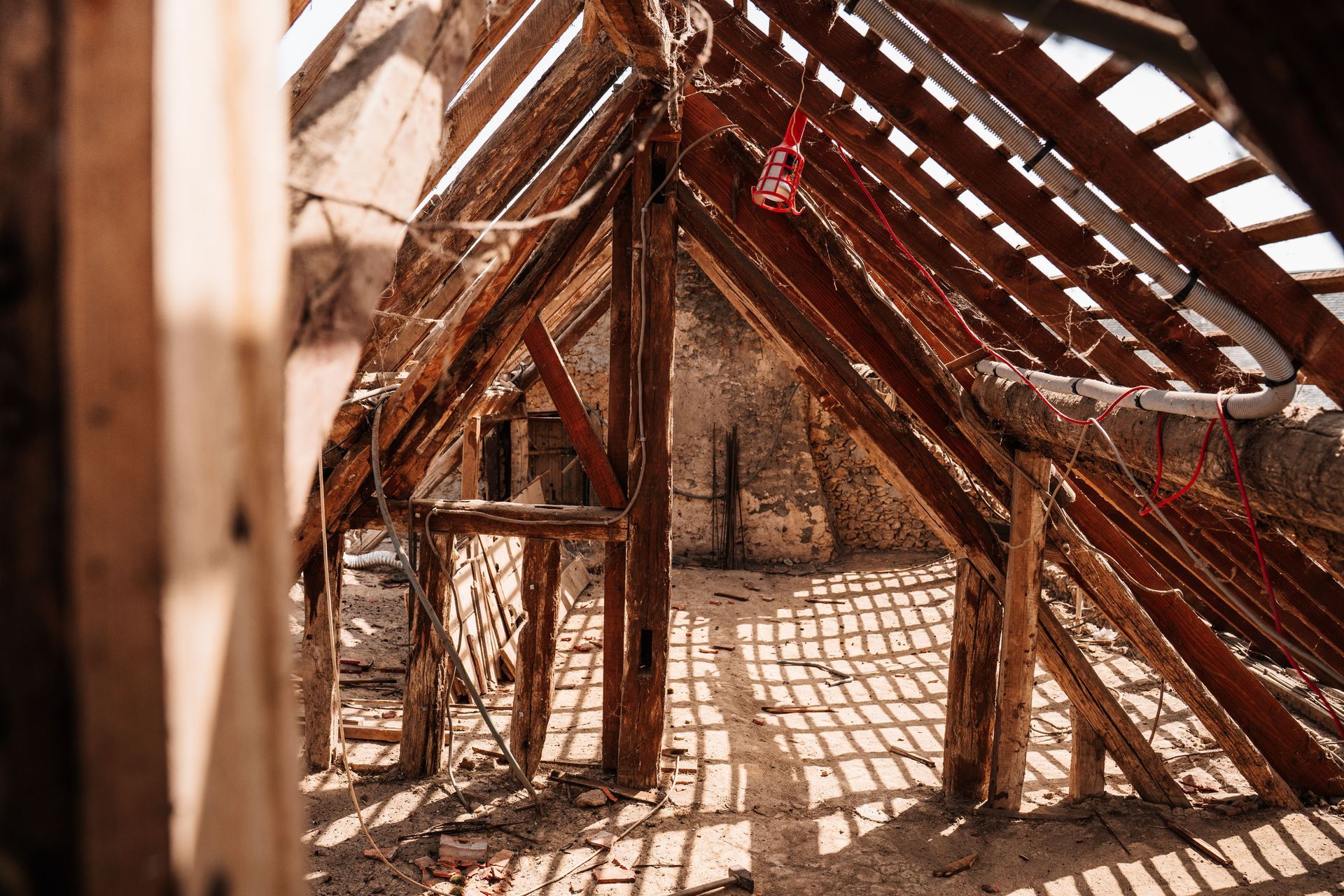
A roof timber survey before buying a house checks the rafters, purlins and joists in the attic for woodworm exit holes, bore dust and weakened wood that a general viewing will miss. Finding this before contracts are signed lets Dublin buyers price the work or negotiate.
This article explains what a survey looks at, what hidden woodworm damage looks like, how to read the findings and what to do next. If you already know you have a problem, see our page on professional woodworm treatment.
What Hidden Woodworm Damage Looks Like in Roof Timbers
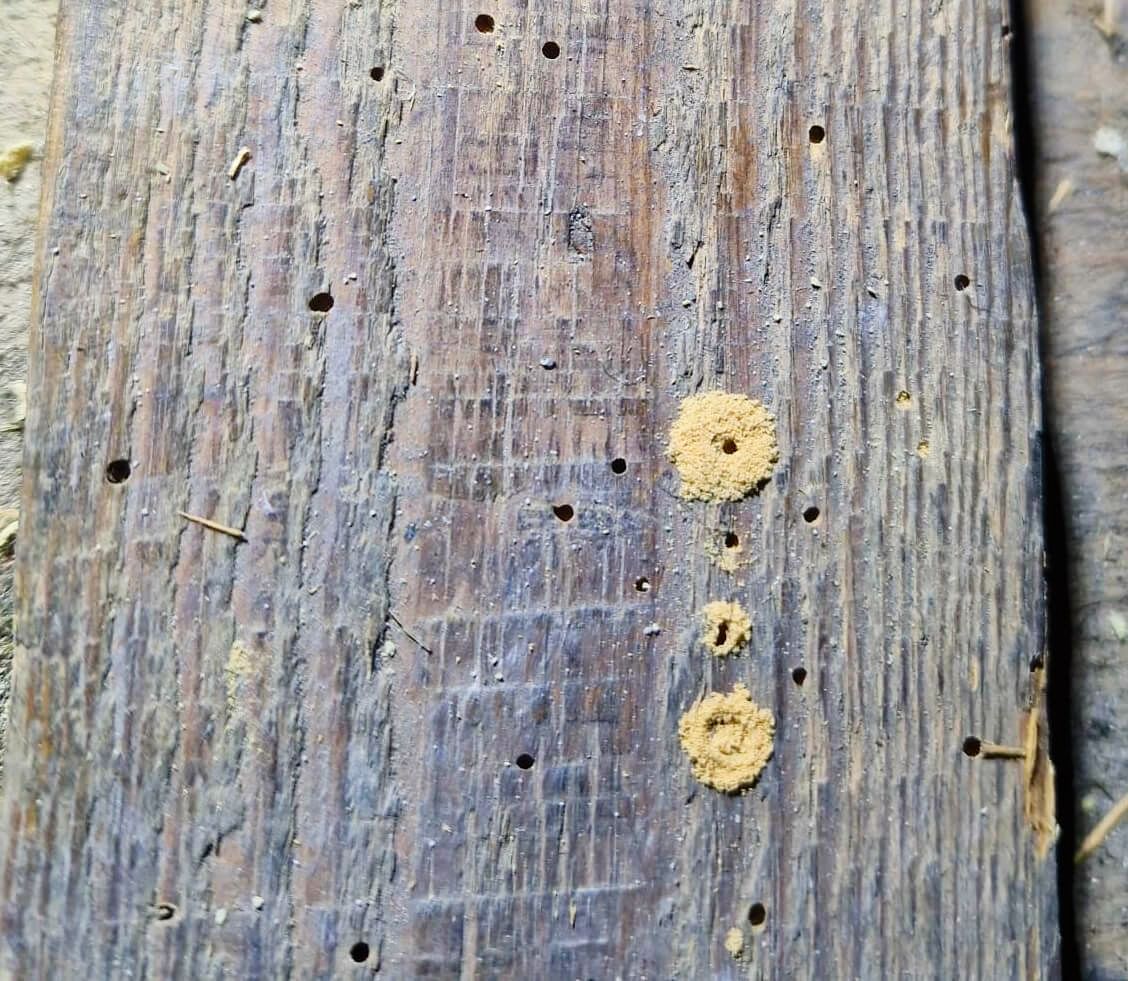
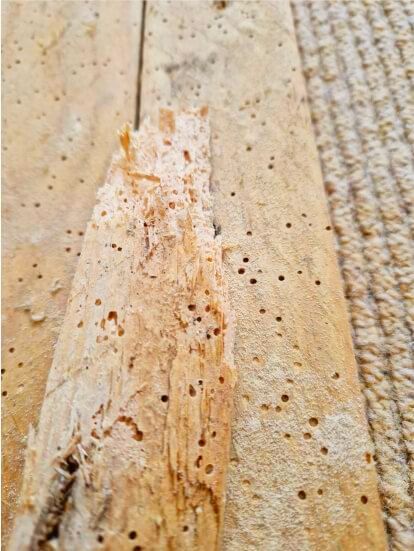
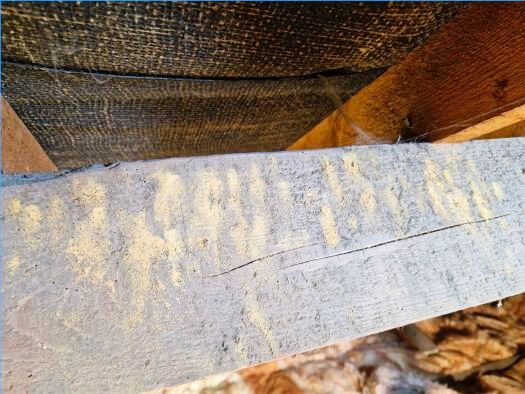
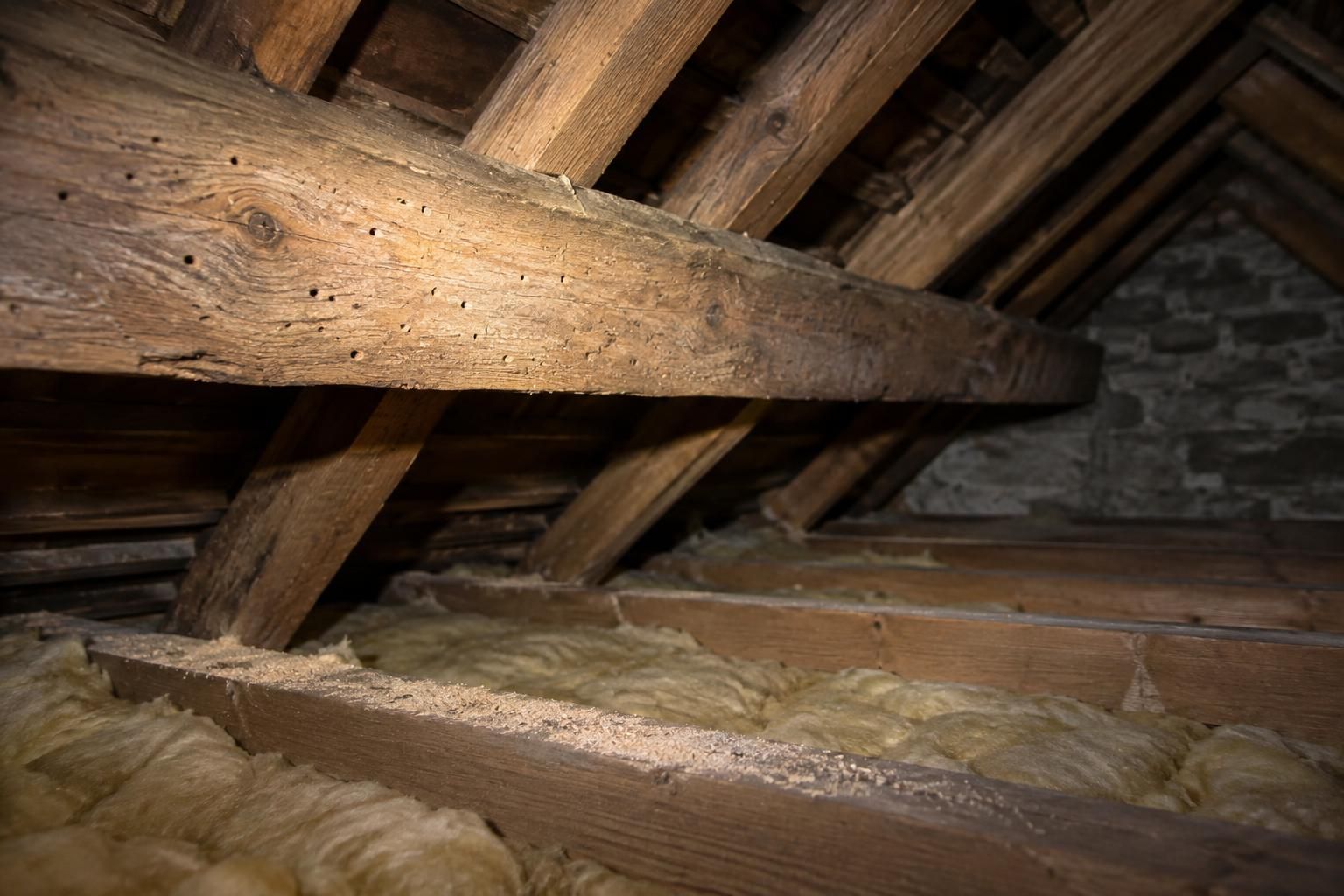
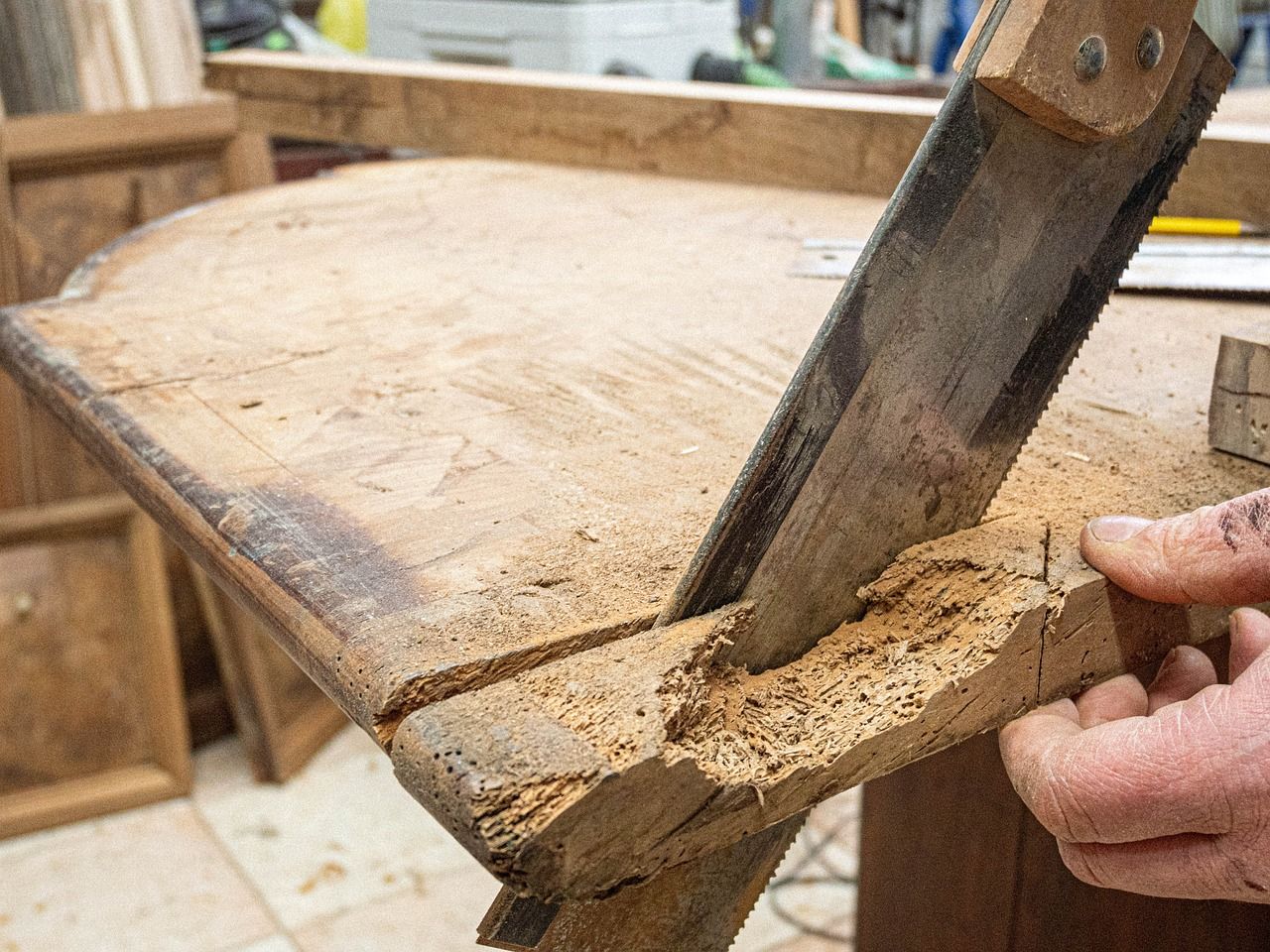
Woodworm is the larval stage of a wood-boring beetle. The grubs feed inside the timber for years, and the only outward sign is often a scatter of small round exit holes where adult beetles have emerged. Fine, gritty dust under the timbers, known as bore dust or frass, is another common clue.
The trouble is that attics are rarely seen at their best during a viewing. Insulation can hide joists, stored belongings block the view and the light is poor. A seller may not even know the problem exists, because few people climb into the roof space from one year to the next. That is why damage can sit unnoticed until someone looks properly.
Our guide to the signs of woodworm in attic roof timbers describes what active and old damage look like in more detail.
What a Pre-Purchase Roof Timber Inspection Covers
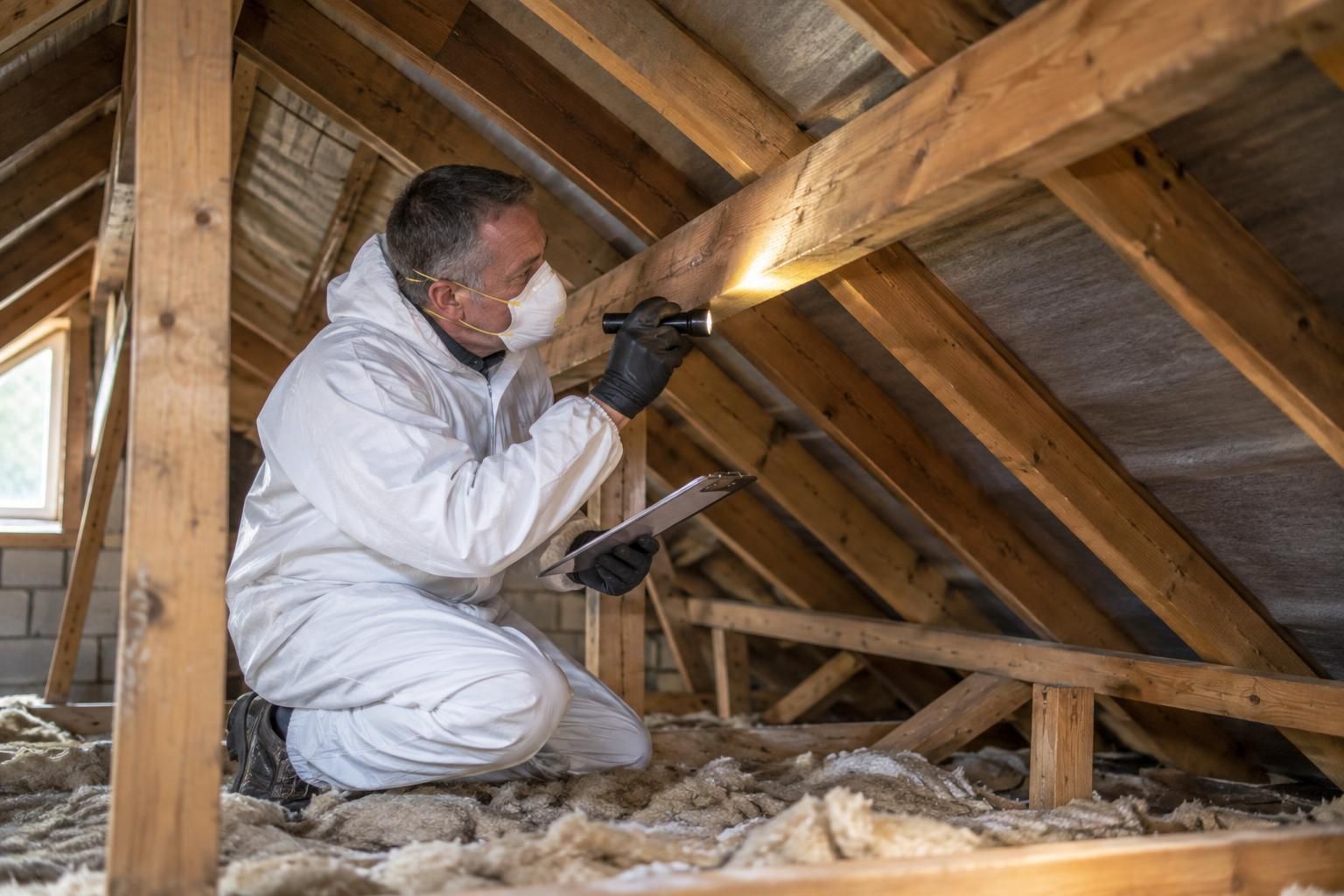
A proper inspection of the roof space is more than a quick glance from the hatch. The aim is to reach the timbers, look closely at them and form a view on whether anything needs treatment. The main points checked are as follows:
- Rafters and purlins , looking for clusters of exit holes, tunnelling and any wood that crumbles or feels soft.
- Ceiling and attic floor joists , which carry the ceilings below and are often partly buried under insulation.
- Wall plates and the ends of timbers , where damp is most likely to have encouraged beetle activity.
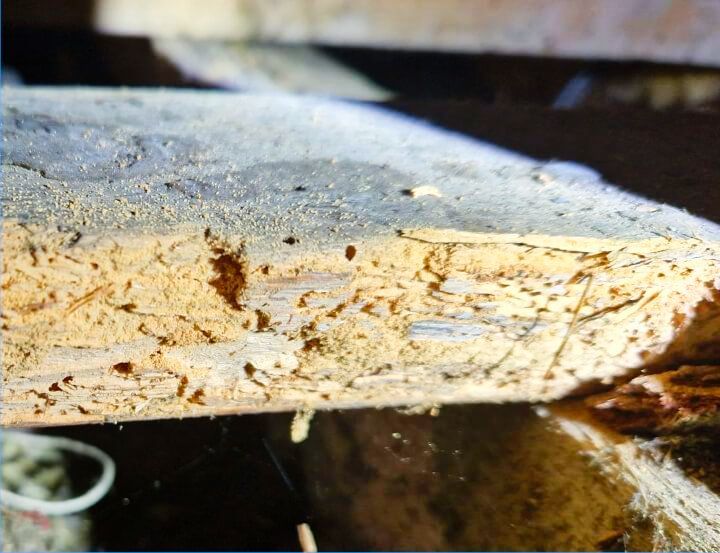
- Bore dust on timbers, boards and insulation below, which can suggest that beetles have been active recently.
- Signs of moisture , such as water staining, a leaking roof covering or poor ventilation, because damp and woodworm often go together.
A surveyor who is not a timber specialist may note woodworm and recommend further investigation. A specialist can then tell you more about the species, whether the activity is current and how much timber is affected.
Access matters as much as eyesight. A technician will usually need a clear route to the loft hatch, enough light and the ability to move insulation aside at the points where timbers meet. In some houses the roof space is cramped or partly floored, and it may take a little time to see every rafter and joist. If you are buying, ask the seller to clear the way before the visit so nothing is missed.
Active Woodworm or Old Damage
This is the question buyers most want answered. Exit holes alone do not prove an infestation is alive. A roof timber can carry old holes from beetles that died out decades ago, and treating timber that is no longer infested would be an unnecessary cost.
Fresh, pale bore dust, bright clean edges to the holes and recent powdery deposits suggest active beetles. Dull, dark holes with no dust usually point to historic damage. Telling the two apart takes experience, which is one reason a specialist assessment is worth having before you commit to a purchase.
Why Species and Timing Matter
Different beetles favour different timbers and conditions, and the right response depends on which one is present. The Common Furniture Beetle, the Deathwatch Beetle and the House Longhorn Beetle are all found in Irish buildings. Beetles generally emerge in the warmer months, so evidence of fresh activity is easier to spot at some times of year than others.
Buyers sometimes assume that a modern house cannot have woodworm. In practice, any softwood roof frame can be affected if it has been exposed to moisture, and extensions or loft conversions can combine old and new timber in the same roof. Older Irish houses deserve particular attention because their roof timbers have had longer to be exposed to damp, leaks and past infestations.
Reading the Findings of a Roof Timber Survey
Survey language can be alarming. A line saying woodworm was noted is not the same as a recommendation to walk away. The useful questions are these:
- Is the activity current, or is the damage historic?
- Which timbers are affected, and are they structural?
- Is there any sign of moisture that explains the infestation?
- Is there evidence of previous treatment, and is any paperwork available?
- What would treatment involve, and what would it cost?
Answering these turns an unclear remark into a clear figure you can use. Our article on woodworm treatment cost in Dublin explains what affects the price of treating a roof space.
Ask whether previous treatment has been carried out and whether any paperwork or guarantee exists. A document that records what was treated and when is useful evidence, though it does not replace a fresh look at the timbers. Timber that was treated years ago may still show old exit holes, which is easy to mistake for a new problem without a closer inspection.
How Roof Timber Findings Affect Your Offer
If a survey finds active woodworm in the roof, you have a few options. You can ask the seller to arrange and pay for treatment before completion, negotiate a lower price to cover the work or agree that treatment will be carried out and documented as part of the sale. Which route suits you depends on how serious the findings are and how the sale is progressing.
Having a written view on the extent of the problem puts you in a far stronger position than a vague worry. It also helps your solicitor and lender understand what has been found and what is being done about it.
Treating Hidden Woodworm After Purchase
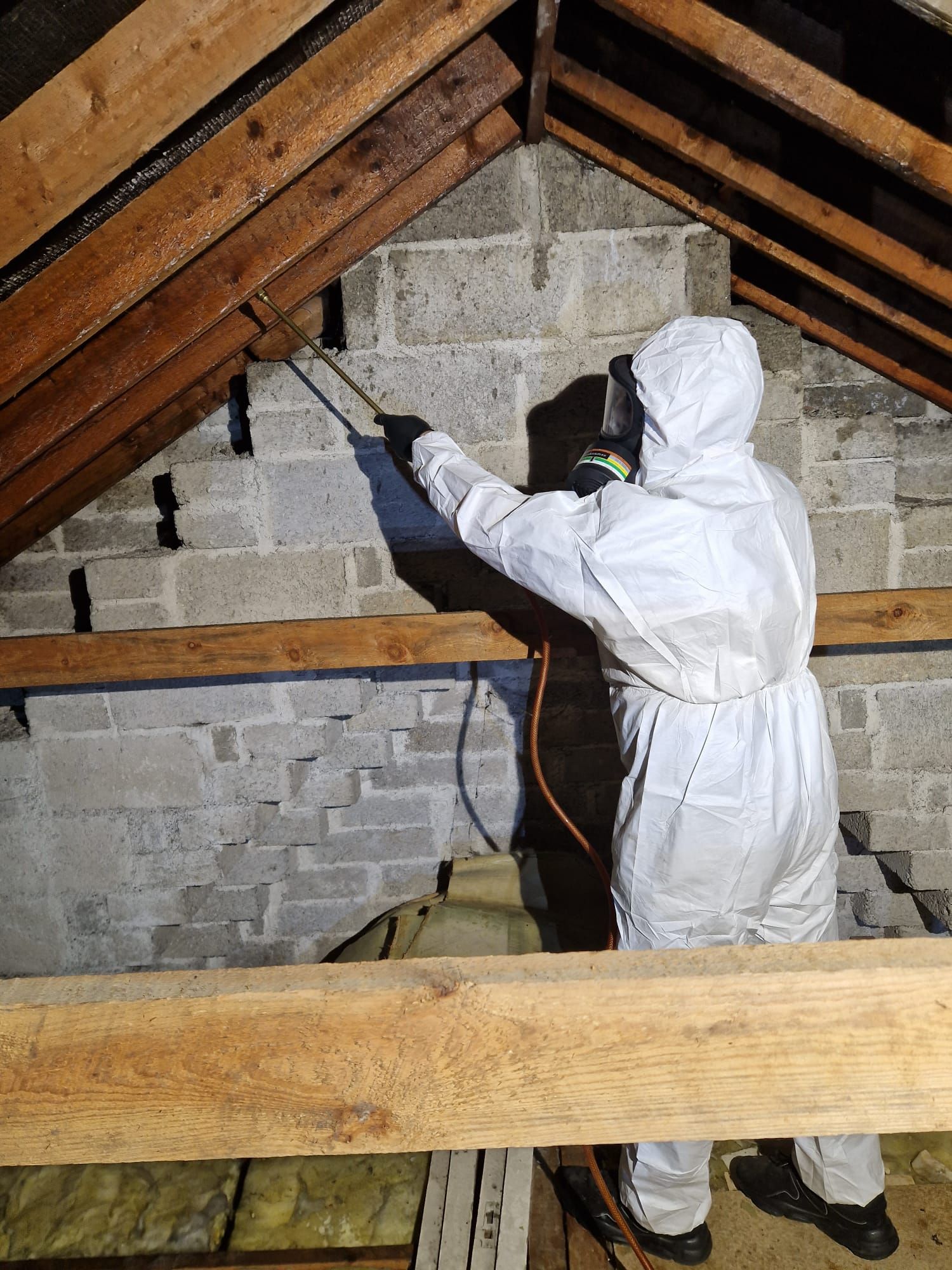
Where treatment is needed, we use a water-based high-pressure system that carries the product deep into structural timbers rather than relying on a surface coat. That approach is designed to reach the larvae feeding inside the wood and to give lasting protection to roof timbers and joists. The work is done by experienced technicians who explain what they find and what they recommend.
New owners often prefer to arrange treatment before they move in, when the attic is easy to reach and there is little disruption. Whether you are buying in Dublin or one of the surrounding counties, an early inspection is the simplest way to avoid surprises later.
Getting a Roof Timber Survey Before You Commit
A roof timber survey is a small cost compared with the price of a house, and it can save far more than it costs. It shows whether the rafters and joists are sound, whether woodworm is active and what any treatment is likely to involve, all before you are legally committed. We help buyers in Dublin and the surrounding counties understand what is in their roof space.
To talk about a property you are thinking of buying, contact OnGuard Pest Control for a free estimate. You can also phone us on 01 503 7787 or email info@onguardpestcontrol.ie.
Recent Posts
Why a Roof Timber Survey Matters Before You Buy
A roof timber survey before buying a house checks the rafters, purlins and joists in the attic for woodworm exit holes, bore dust and weakened wood that a general viewing will miss. Finding this before contracts are signed lets Dublin buyers price the work or negotiate.
This article explains what a survey looks at, what hidden woodworm damage looks like, how to read the findings and what to do next. If you already know you have a problem, see our page on professional woodworm treatment.
What Hidden Woodworm Damage Looks Like in Roof Timbers
Woodworm is the larval stage of a wood-boring beetle. The grubs feed inside the timber for years, and the only outward sign is often a scatter of small round exit holes where adult beetles have emerged. Fine, gritty dust under the timbers, known as bore dust or frass, is another common clue.
The trouble is that attics are rarely seen at their best during a viewing. Insulation can hide joists, stored belongings block the view and the light is poor. A seller may not even know the problem exists, because few people climb into the roof space from one year to the next. That is why damage can sit unnoticed until someone looks properly.
Our guide to the signs of woodworm in attic roof timbers describes what active and old damage look like in more detail.
What a Pre-Purchase Roof Timber Inspection Covers
A proper inspection of the roof space is more than a quick glance from the hatch. The aim is to reach the timbers, look closely at them and form a view on whether anything needs treatment. The main points checked are as follows:
- Rafters and purlins , looking for clusters of exit holes, tunnelling and any wood that crumbles or feels soft.
- Ceiling and attic floor joists , which carry the ceilings below and are often partly buried under insulation.
- Wall plates and the ends of timbers , where damp is most likely to have encouraged beetle activity.
- Bore dust on timbers, boards and insulation below, which can suggest that beetles have been active recently.
- Signs of moisture , such as water staining, a leaking roof covering or poor ventilation, because damp and woodworm often go together.
A surveyor who is not a timber specialist may note woodworm and recommend further investigation. A specialist can then tell you more about the species, whether the activity is current and how much timber is affected.
Access matters as much as eyesight. A technician will usually need a clear route to the loft hatch, enough light and the ability to move insulation aside at the points where timbers meet. In some houses the roof space is cramped or partly floored, and it may take a little time to see every rafter and joist. If you are buying, ask the seller to clear the way before the visit so nothing is missed.
Active Woodworm or Old Damage
This is the question buyers most want answered. Exit holes alone do not prove an infestation is alive. A roof timber can carry old holes from beetles that died out decades ago, and treating timber that is no longer infested would be an unnecessary cost.
Fresh, pale bore dust, bright clean edges to the holes and recent powdery deposits suggest active beetles. Dull, dark holes with no dust usually point to historic damage. Telling the two apart takes experience, which is one reason a specialist assessment is worth having before you commit to a purchase.
Why Species and Timing Matter
Different beetles favour different timbers and conditions, and the right response depends on which one is present. The Common Furniture Beetle, the Deathwatch Beetle and the House Longhorn Beetle are all found in Irish buildings. Beetles generally emerge in the warmer months, so evidence of fresh activity is easier to spot at some times of year than others.
Buyers sometimes assume that a modern house cannot have woodworm. In practice, any softwood roof frame can be affected if it has been exposed to moisture, and extensions or loft conversions can combine old and new timber in the same roof. Older Irish houses deserve particular attention because their roof timbers have had longer to be exposed to damp, leaks and past infestations.
Reading the Findings of a Roof Timber Survey
Survey language can be alarming. A line saying woodworm was noted is not the same as a recommendation to walk away. The useful questions are these:
- Is the activity current, or is the damage historic?
- Which timbers are affected, and are they structural?
- Is there any sign of moisture that explains the infestation?
- Is there evidence of previous treatment, and is any paperwork available?
- What would treatment involve, and what would it cost?
Answering these turns an unclear remark into a clear figure you can use. Our article on woodworm treatment cost in Dublin explains what affects the price of treating a roof space.
Ask whether previous treatment has been carried out and whether any paperwork or guarantee exists. A document that records what was treated and when is useful evidence, though it does not replace a fresh look at the timbers. Timber that was treated years ago may still show old exit holes, which is easy to mistake for a new problem without a closer inspection.
How Roof Timber Findings Affect Your Offer
If a survey finds active woodworm in the roof, you have a few options. You can ask the seller to arrange and pay for treatment before completion, negotiate a lower price to cover the work or agree that treatment will be carried out and documented as part of the sale. Which route suits you depends on how serious the findings are and how the sale is progressing.
Having a written view on the extent of the problem puts you in a far stronger position than a vague worry. It also helps your solicitor and lender understand what has been found and what is being done about it.
Treating Hidden Woodworm After Purchase
Where treatment is needed, we use a water-based high-pressure system that carries the product deep into structural timbers rather than relying on a surface coat. That approach is designed to reach the larvae feeding inside the wood and to give lasting protection to roof timbers and joists. The work is done by experienced technicians who explain what they find and what they recommend.
New owners often prefer to arrange treatment before they move in, when the attic is easy to reach and there is little disruption. Whether you are buying in Dublin or one of the surrounding counties, an early inspection is the simplest way to avoid surprises later.
Getting a Roof Timber Survey Before You Commit
A roof timber survey is a small cost compared with the price of a house, and it can save far more than it costs. It shows whether the rafters and joists are sound, whether woodworm is active and what any treatment is likely to involve, all before you are legally committed. We help buyers in Dublin and the surrounding counties understand what is in their roof space.
To talk about a property you are thinking of buying, contact OnGuard Pest Control for a free estimate. You can also phone us on 01 503 7787 or email info@onguardpestcontrol.ie.