Woodworm Treatment Safety for Families and Pets
16 November 2026
Share

Woodworm Treatment Safety in Family Homes Explained
Woodworm treatment safety is rarely a concern when the work is carried out by a qualified technician using modern water-based products. These treatments dry quickly, carry little odour, and are formulated so family members and pets can safely return to the room once it has been aired as instructed, with no need to vacate the house.
This article explains what actually happens during a professional woodworm treatment, why the products we use in Dublin homes are designed with families and pets in mind, and when it is safe to go back into a treated attic or roof space. We also look at the simple precautions that make the biggest difference on the day.
What Happens During a Professional Woodworm Treatment
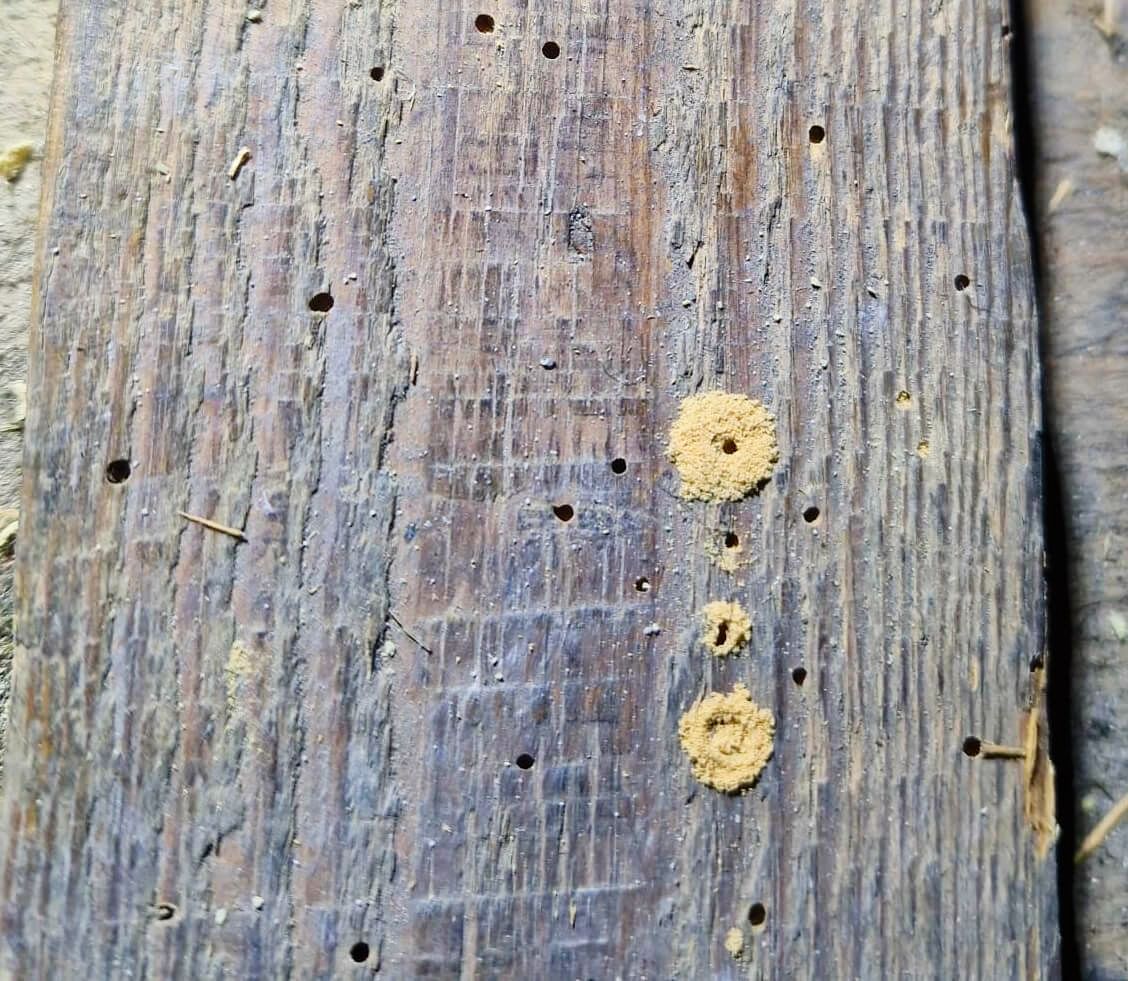
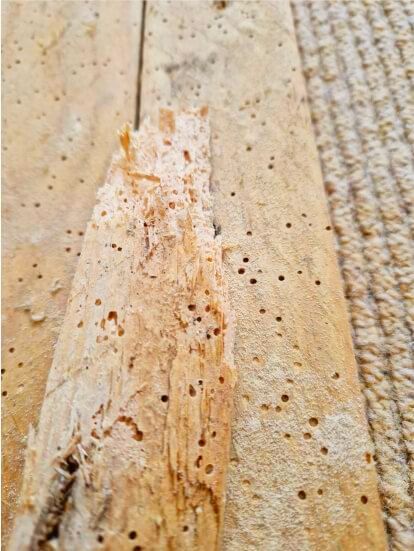
Most woodworm problems in Irish homes are found in the attic, where rafters, purlins and ceiling joists are exposed and easy for beetles to reach. Before any professional woodworm treatment begins, we inspect the roof space to confirm active infestation and identify which timbers need attention, rather than treating the whole attic as a matter of routine. This is also the point where we talk through the household itself, including whether there are young children, pets, or anyone with respiratory sensitivities, so the visit can be scheduled and explained in a way that suits the home.
A proper inspection also helps us judge how much product is actually needed. Treating only the rafters, purlins and joists that show signs of activity, instead of the entire roof space as standard, keeps the amount of product used to a sensible minimum, which is itself a meaningful part of woodworm treatment safety.
Our Step-By-Step Approach
A typical visit follows the same careful sequence in every home we treat, whether it is a small attic or a large roof space:
- Inspect the roof timbers, joists and any affected floor areas to confirm active woodworm.
- Clear loose debris and move stored items away from the timbers being treated.
- Apply the treatment directly to the affected rafters, purlins and joists using controlled, low-pressure equipment.
- Allow the treatment to begin drying while the area is left undisturbed.
- Advise you on ventilation and when the space can be used again.
Because the work is targeted at structural roof timbers rather than furniture or household items, there is very little for the treatment to come into contact with beyond the wood itself, which is part of why woodworm treatment safety is straightforward to manage in an occupied home. Every treatment we carry out is also fully guaranteed, so you are not just paying for a safe visit but a long-term solution to the infestation.
Why Water-Based Treatments Are Safer for Pets and Children
We use one of the best water-based, high-pressure woodworm treatment systems currently available, rather than the stronger solvent-based products some competitors still rely on. Water-based formulas carry a much lower odour and evaporate without leaving the lingering fumes associated with older solvent treatments.
This matters in practice: a strong solvent smell can irritate young children or sensitive pets long after a job is finished, while a water-based treatment is far gentler on the household once it has dried. If you want to see exactly where this kind of treatment is applied, our guide to treating woodworm in joists and attic spaces covers the areas most commonly affected.
Using a professional, high-pressure application system also means the product is delivered precisely onto the timber surface rather than sprayed loosely around the roof space. A trained technician controls exactly how much product goes where, which is harder to manage with a shop-bought spray applied by hand, and it is one more reason we would always recommend a professional visit over a DIY attempt in an occupied family home.
Precautions We Take to Protect Family Members and Pets During Treatment
Alongside choosing a lower-odour treatment, we take practical steps on the day to keep everyone in the home comfortable and safe while the work is carried out. These precautions are simple, but they make a real difference in a family home, and we talk homeowners through each one before work begins so there are no surprises.
- Keeping pets and children out of the attic or roof space while treatment is being applied.
- Covering or moving stored items, toys and pet bedding kept in the attic before work starts.
- Closing off the treated area until the product has had time to begin drying.
- Giving clear, specific advice on ventilation times before anyone goes back in.
- Confirming with you, before leaving, that the attic hatch or access point is secure so curious pets cannot wander up while the area is still drying.
These steps reflect the same general approach set out in national guidance on using chemicals safely around the home, which recommends keeping household products away from children and following the specific instructions for each treatment rather than assuming one rule fits every product. Dogs and cats in particular can be more sensitive than people to strong odours, so keeping them away from the roof space until it has aired out is a sensible precaution even once the product has dried.
Ventilation and Re-Entering the Attic After Treatment
Once a woodworm treatment has been applied, ventilation is what allows the product to finish drying and any odour to clear. We leave the hatch or vents open where possible and talk through how long the space should be left before anyone goes back up, which varies slightly depending on the size of the roof space and the weather.
Dublin's damp, changeable climate can affect drying times, so on a still, humid day we may recommend leaving an attic a little longer than on a dry, breezy one. Many of the homes we work on around Dublin and the surrounding counties are semi-detached or terraced houses with fairly compact roof spaces, so good airflow through the existing attic vents or hatch makes a real difference to how quickly the area is ready for normal use again.
As a rule, pets and children should stay out of the treated roof space until we confirm it has had enough time to dry and air out, after which normal use of the attic or roof space can resume as before, with no lingering restrictions. If anyone in the home has asthma or another respiratory condition, it is worth mentioning this when booking, so we can factor it into our ventilation advice for that particular visit.
Woodworm Treatment Safety and Peace of Mind for Dublin Homes
Woodworm treatment safety does not have to mean disruption for your household. With a water-based system, sensible precautions around pets and children, and clear ventilation advice, families across Dublin and the surrounding counties can have their roof timbers treated with minimal upheaval. Over more than 20 years treating attics and roof spaces in Irish homes, we have found that being upfront about what to expect is what actually puts families at ease, not just the product itself. Whether you live in an older period property or a newer semi-detached house, the same basic principle applies: treat only the timbers that need it, use a lower-odour product, and give the space time to air out properly before anyone goes back in.
If you are still noticing fresh damage after a previous treatment, our article on signs of woodworm in attic roof timbers explains what to look for next. If you would like a free, no-obligation estimate for woodworm treatment in your attic or roof space, get in touch with our team. You can call us on 01-5037787 or email info@onguardpestcontrol.ie, and we will talk you through exactly what to expect, including how we keep the process safe for your family and pets.
Recent Posts


Woodworm Treatment Safety in Family Homes Explained
Woodworm treatment safety is rarely a concern when the work is carried out by a qualified technician using modern water-based products. These treatments dry quickly, carry little odour, and are formulated so family members and pets can safely return to the room once it has been aired as instructed, with no need to vacate the house.
This article explains what actually happens during a professional woodworm treatment, why the products we use in Dublin homes are designed with families and pets in mind, and when it is safe to go back into a treated attic or roof space. We also look at the simple precautions that make the biggest difference on the day.
What Happens During a Professional Woodworm Treatment
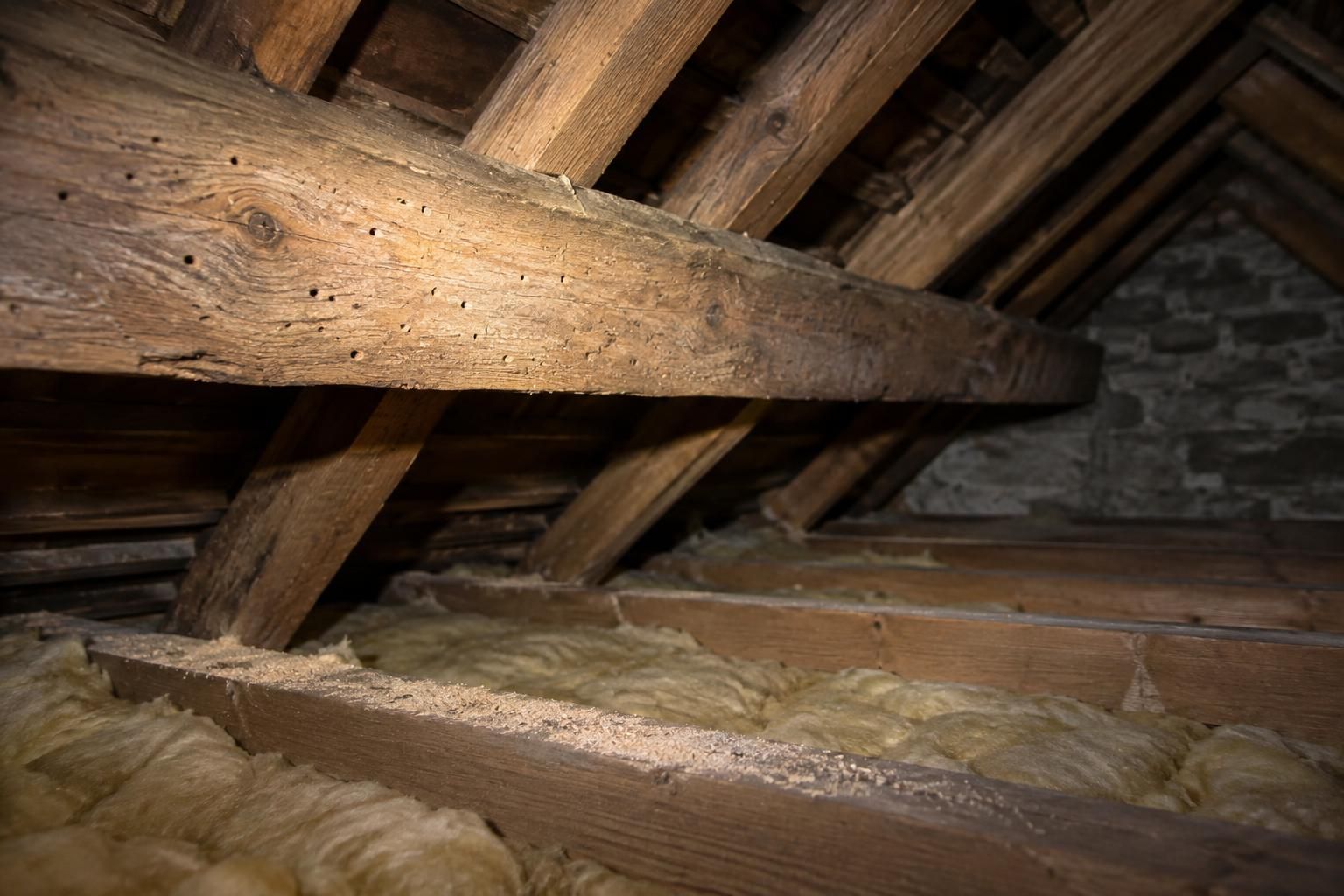
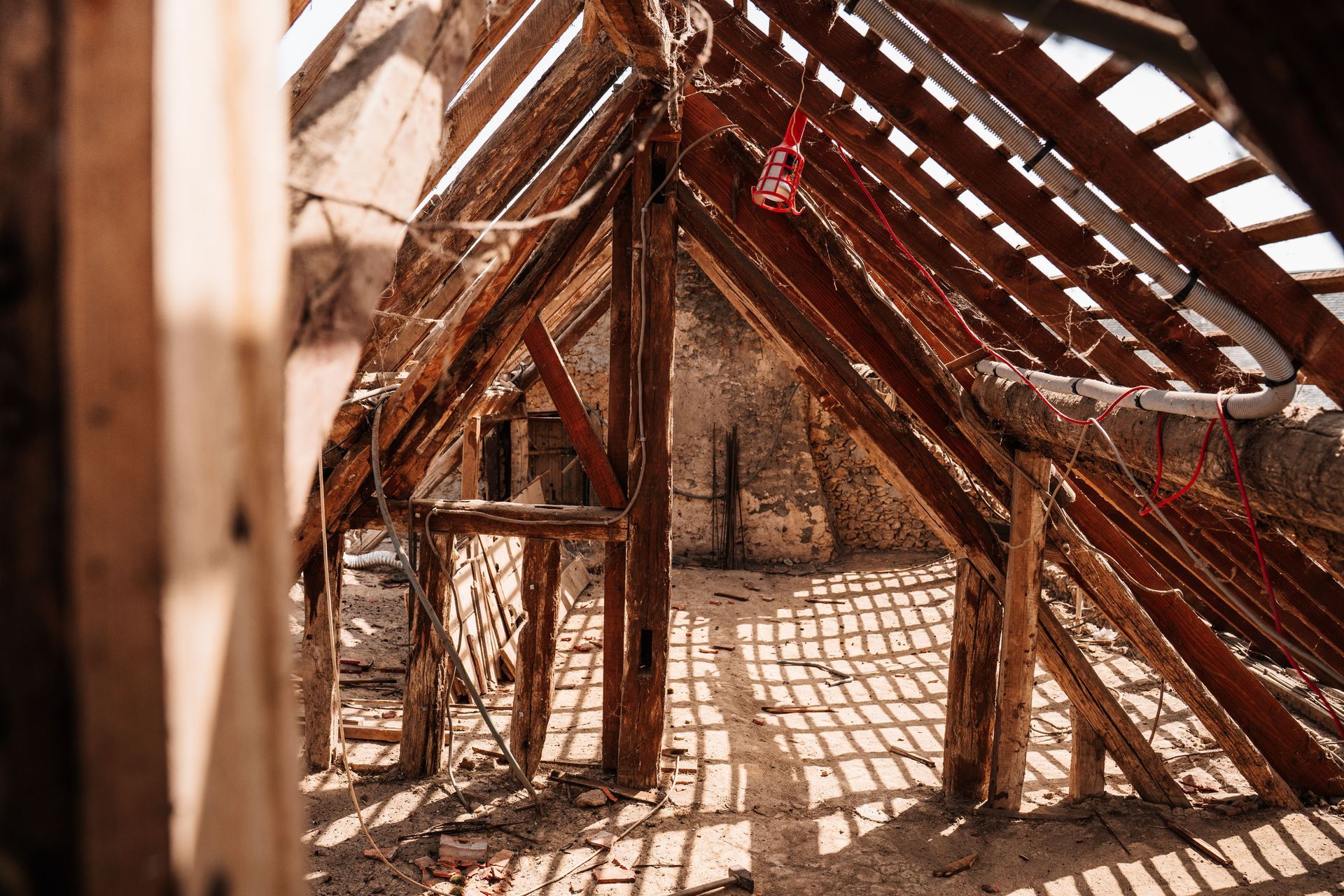
Most woodworm problems in Irish homes are found in the attic, where rafters, purlins and ceiling joists are exposed and easy for beetles to reach. Before any professional woodworm treatment begins, we inspect the roof space to confirm active infestation and identify which timbers need attention, rather than treating the whole attic as a matter of routine. This is also the point where we talk through the household itself, including whether there are young children, pets, or anyone with respiratory sensitivities, so the visit can be scheduled and explained in a way that suits the home.
A proper inspection also helps us judge how much product is actually needed. Treating only the rafters, purlins and joists that show signs of activity, instead of the entire roof space as standard, keeps the amount of product used to a sensible minimum, which is itself a meaningful part of woodworm treatment safety.
Our Step-By-Step Approach
A typical visit follows the same careful sequence in every home we treat, whether it is a small attic or a large roof space:
- Inspect the roof timbers, joists and any affected floor areas to confirm active woodworm.
- Clear loose debris and move stored items away from the timbers being treated.
- Apply the treatment directly to the affected rafters, purlins and joists using controlled, low-pressure equipment.
- Allow the treatment to begin drying while the area is left undisturbed.
- Advise you on ventilation and when the space can be used again.
Because the work is targeted at structural roof timbers rather than furniture or household items, there is very little for the treatment to come into contact with beyond the wood itself, which is part of why woodworm treatment safety is straightforward to manage in an occupied home. Every treatment we carry out is also fully guaranteed, so you are not just paying for a safe visit but a long-term solution to the infestation.
Why Water-Based Treatments Are Safer for Pets and Children
We use one of the best water-based, high-pressure woodworm treatment systems currently available, rather than the stronger solvent-based products some competitors still rely on. Water-based formulas carry a much lower odour and evaporate without leaving the lingering fumes associated with older solvent treatments.
This matters in practice: a strong solvent smell can irritate young children or sensitive pets long after a job is finished, while a water-based treatment is far gentler on the household once it has dried. If you want to see exactly where this kind of treatment is applied, our guide to treating woodworm in joists and attic spaces covers the areas most commonly affected.
Using a professional, high-pressure application system also means the product is delivered precisely onto the timber surface rather than sprayed loosely around the roof space. A trained technician controls exactly how much product goes where, which is harder to manage with a shop-bought spray applied by hand, and it is one more reason we would always recommend a professional visit over a DIY attempt in an occupied family home.
Precautions We Take to Protect Family Members and Pets During Treatment
Alongside choosing a lower-odour treatment, we take practical steps on the day to keep everyone in the home comfortable and safe while the work is carried out. These precautions are simple, but they make a real difference in a family home, and we talk homeowners through each one before work begins so there are no surprises.
- Keeping pets and children out of the attic or roof space while treatment is being applied.
- Covering or moving stored items, toys and pet bedding kept in the attic before work starts.
- Closing off the treated area until the product has had time to begin drying.
- Giving clear, specific advice on ventilation times before anyone goes back in.
- Confirming with you, before leaving, that the attic hatch or access point is secure so curious pets cannot wander up while the area is still drying.
These steps reflect the same general approach set out in national guidance on using chemicals safely around the home, which recommends keeping household products away from children and following the specific instructions for each treatment rather than assuming one rule fits every product. Dogs and cats in particular can be more sensitive than people to strong odours, so keeping them away from the roof space until it has aired out is a sensible precaution even once the product has dried.
Ventilation and Re-Entering the Attic After Treatment
Once a woodworm treatment has been applied, ventilation is what allows the product to finish drying and any odour to clear. We leave the hatch or vents open where possible and talk through how long the space should be left before anyone goes back up, which varies slightly depending on the size of the roof space and the weather.
Dublin's damp, changeable climate can affect drying times, so on a still, humid day we may recommend leaving an attic a little longer than on a dry, breezy one. Many of the homes we work on around Dublin and the surrounding counties are semi-detached or terraced houses with fairly compact roof spaces, so good airflow through the existing attic vents or hatch makes a real difference to how quickly the area is ready for normal use again.
As a rule, pets and children should stay out of the treated roof space until we confirm it has had enough time to dry and air out, after which normal use of the attic or roof space can resume as before, with no lingering restrictions. If anyone in the home has asthma or another respiratory condition, it is worth mentioning this when booking, so we can factor it into our ventilation advice for that particular visit.
Woodworm Treatment Safety and Peace of Mind for Dublin Homes
Woodworm treatment safety does not have to mean disruption for your household. With a water-based system, sensible precautions around pets and children, and clear ventilation advice, families across Dublin and the surrounding counties can have their roof timbers treated with minimal upheaval. Over more than 20 years treating attics and roof spaces in Irish homes, we have found that being upfront about what to expect is what actually puts families at ease, not just the product itself. Whether you live in an older period property or a newer semi-detached house, the same basic principle applies: treat only the timbers that need it, use a lower-odour product, and give the space time to air out properly before anyone goes back in.
If you are still noticing fresh damage after a previous treatment, our article on signs of woodworm in attic roof timbers explains what to look for next. If you would like a free, no-obligation estimate for woodworm treatment in your attic or roof space, get in touch with our team. You can call us on 01-5037787 or email info@onguardpestcontrol.ie, and we will talk you through exactly what to expect, including how we keep the process safe for your family and pets.