Woodworm Treatment Cost in Dublin and What Affects the Price
What Woodworm Treatment Cost in Dublin Depends On
Woodworm treatment cost in Dublin depends mainly on how much timber needs treating, how easy it is to reach, how far the infestation has spread and whether any timbers are damaged enough to need replacing. A single attic costs far less than a whole house with lifted floors, so an accurate quote starts with a few questions.
This article explains the main factors that move the price up or down, what a fair quote should include, how to prepare your home so the job goes smoothly, and why acting early nearly always works out cheaper for homeowners in Dublin and the surrounding counties.

Why Every Woodworm Quote Is Different
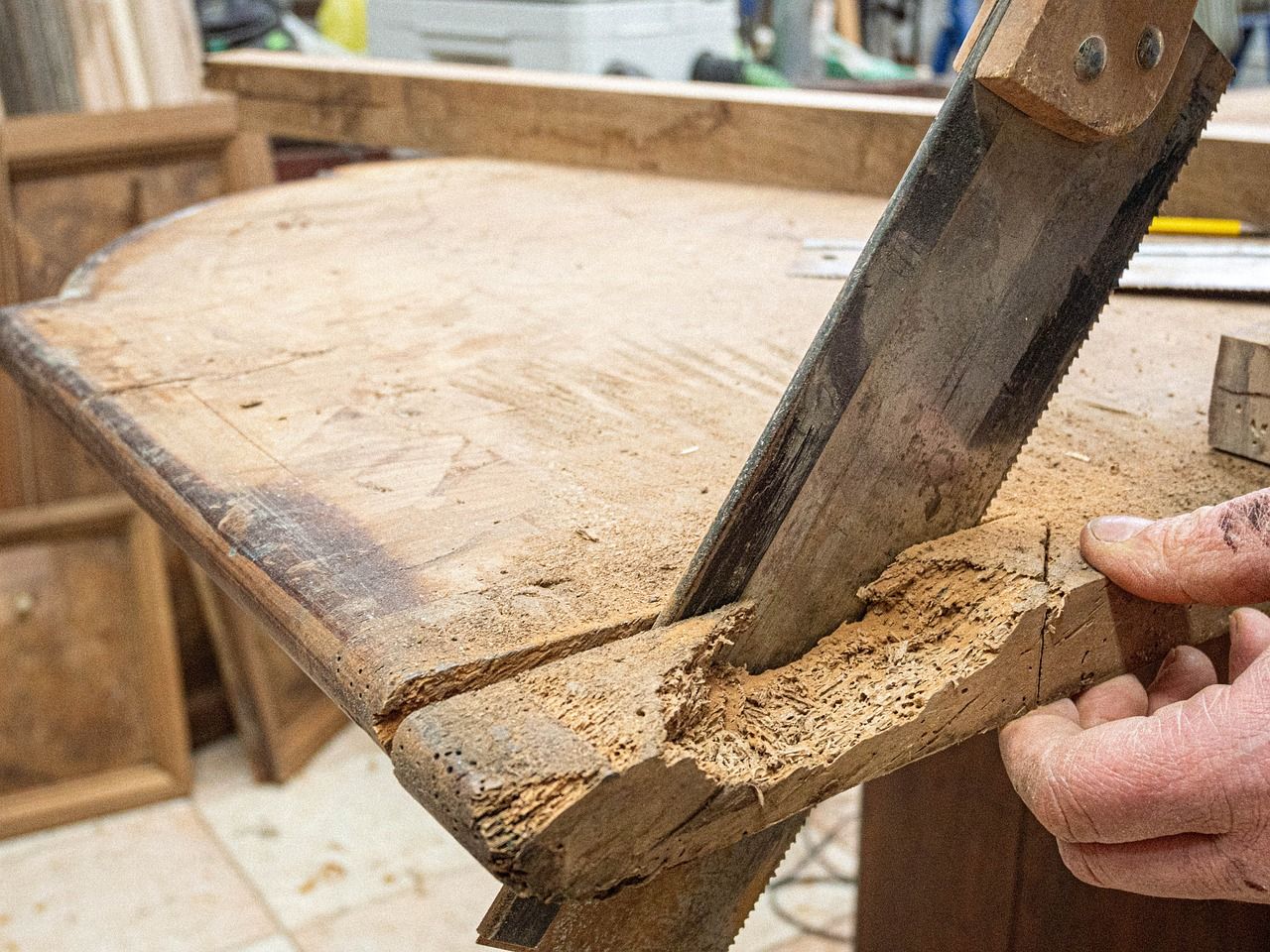
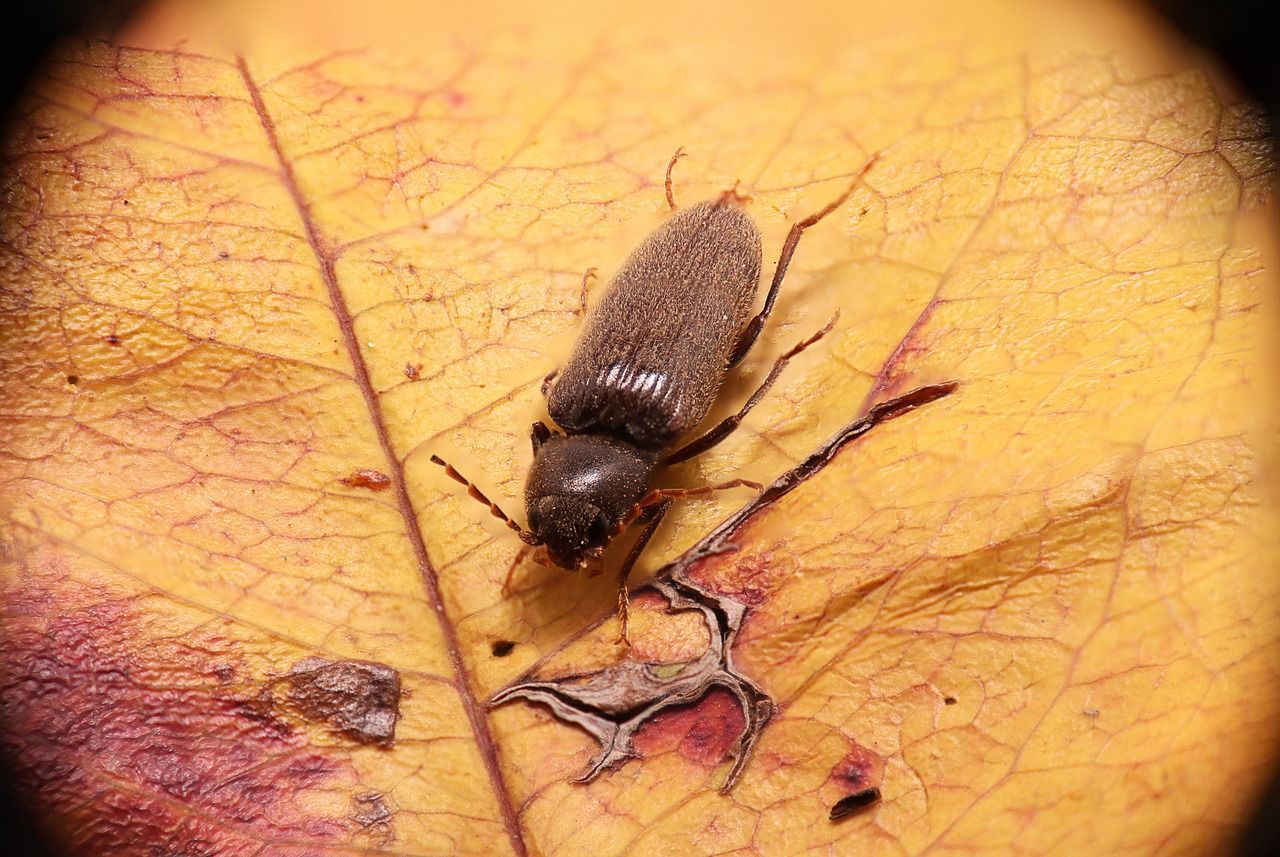
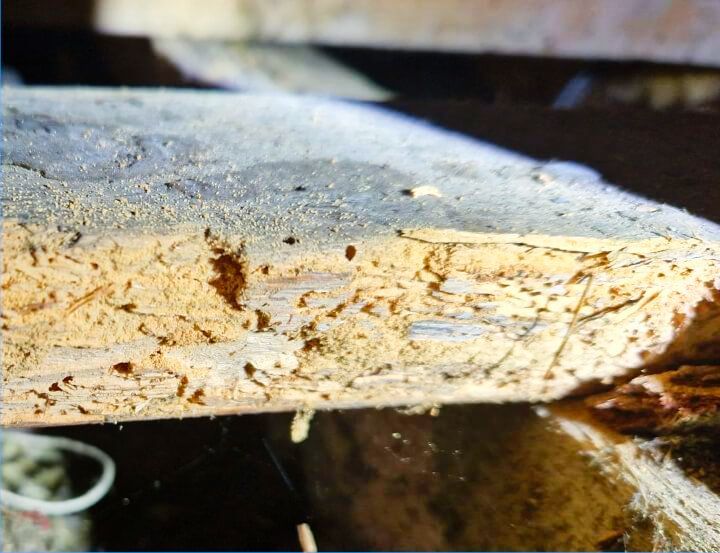
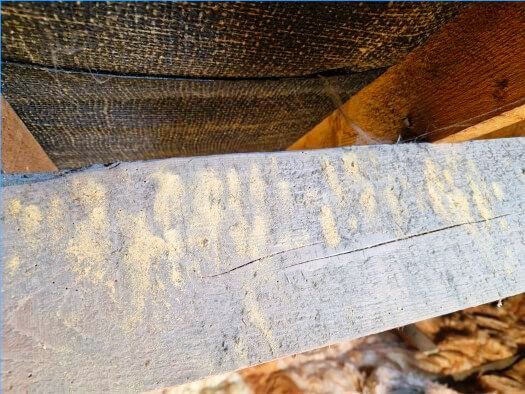
Most woodworm in Irish homes is caused by the common furniture beetle. Its larvae spend several years tunnelling through softwood such as pine roof timbers, joists and floorboards before chewing their way out as adult beetles. The small round exit holes, usually one to two millimetres across, are the first thing most people notice, often alongside fine, pale bore dust beneath the timber.
Because the larvae work hidden inside the wood, two homes with a similar number of visible holes can need very different amounts of work. One may have a few affected rafters in a corner of the attic, while the other has activity running along every joist and under the floors. That is why a reliable price is based on the size and location of the infestation rather than a flat fee.
If you are not sure whether the holes you have found are still active, our guide on a simple way to check for active woodworm explains what to look for before you ring for a quote.
The Main Factors That Affect Woodworm Treatment Cost
When we price a job, we look at the same handful of points every time. Understanding them helps you compare quotes fairly and spot one that leaves out something important.
- Area to be treated. The number of rooms, the size of the attic and the total length of timber all set the amount of treatment fluid and time needed.
- Access. A clear, boarded attic is quick to work in. Insulation lying over the joists, stored belongings, tight eaves or floorboards that must be lifted add labour.
- Extent of the infestation. Light, localised activity can be treated in a targeted way. Widespread activity across the roof structure and floors takes longer.
- Condition of the timber. Where larvae have weakened a joist or rafter badly, it may need to be strengthened or replaced by a carpenter before or after treatment, which is a separate cost.
- Type of beetle. The common furniture beetle is by far the most frequent in Irish homes. Rarer wood-boring beetles found in old hardwood such as oak can need a different approach.
- Damp and ventilation. Woodworm larvae thrive in timber that stays damp. If a leak or poor ventilation is part of the cause, fixing it protects the treatment and is worth budgeting for.
Attics and roof timbers
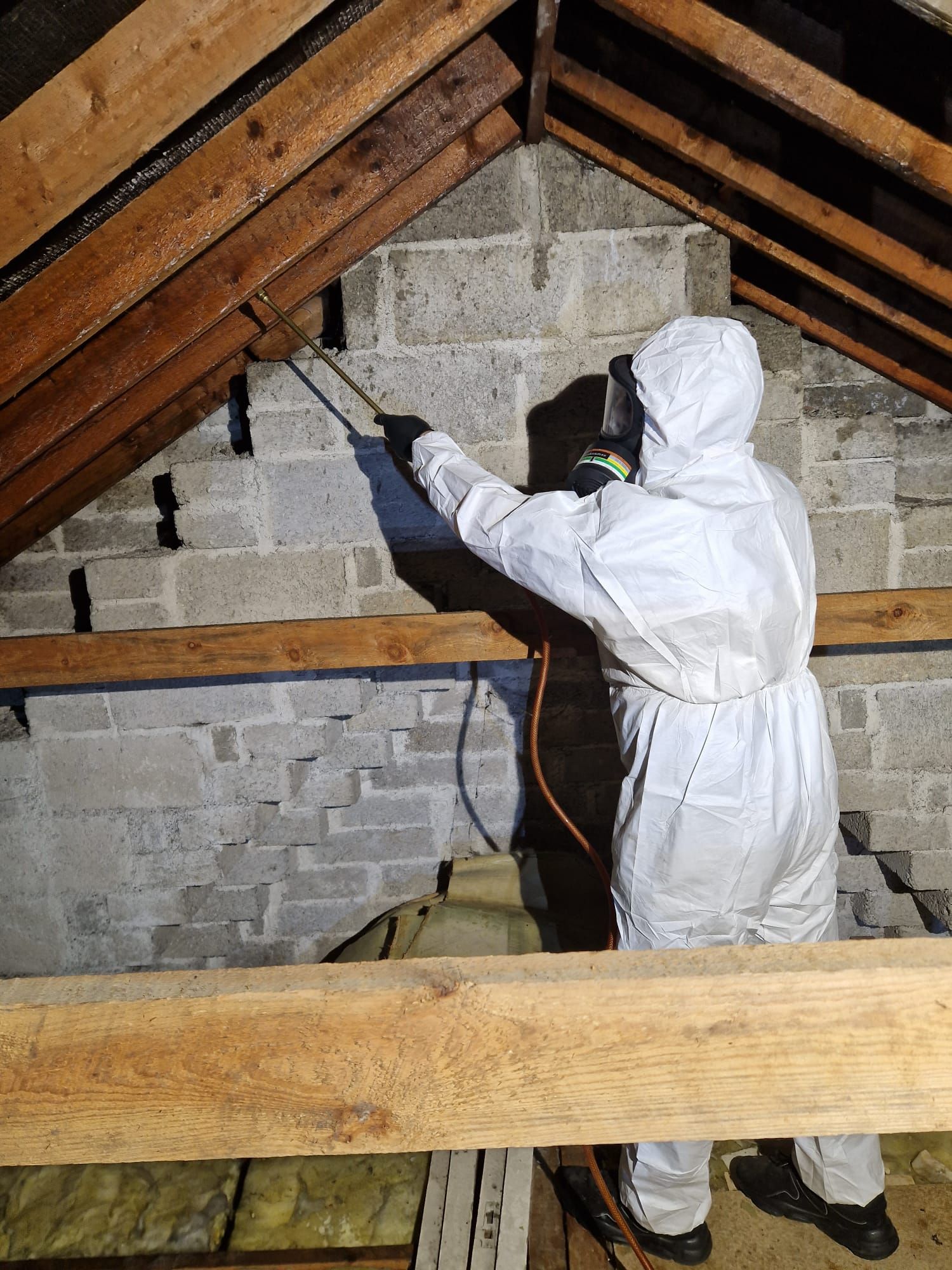
The attic is the most common place we find woodworm in Dublin homes, because roof timbers are rarely inspected and can sit undisturbed for decades. Treating an attic usually means moving stored items, folding back insulation where needed and treating every exposed rafter, purlin and joist so no affected timber is missed.
Floors and joists
Floor treatment tends to cost more than an attic of a similar size because floorboards have to be lifted at intervals to reach the joists underneath. Fitted carpets, laminate laid over the original boards and heavy furniture all add time. Our article on treating woodworm in joists, floorboards and attic spaces covers what this work involves in more detail.
How Our Woodworm Treatment Works
We use one of the best water-based, high-pressure woodworm treatment systems currently available. The fluid is applied to all affected timber and the surrounding wood so that it soaks into the surface layers. Larvae feeding near the surface and adult beetles chewing their way out come into contact with it, which breaks the breeding cycle and stops the infestation spreading.
The safety of you, your family and your pets matters to us, and we aim to resolve the problem as quickly as possible with minimal disruption. Because the treatment is water based, it suits occupied homes, and we will explain any simple precautions on the day, such as keeping a room clear for a short time while the timber dries.
You can read more about the process and what is included on our woodworm treatment page.

Getting an Accurate Woodworm Quote in Dublin
We offer free estimates over the phone. With a few short questions we can usually give you a clear quote without a long wait, and we can also quote by email if you prefer. Having the following details ready makes the process quicker and the quote more accurate.
- Note where you have seen holes or bore dust, for example the attic, a bedroom floor or the stairs.
- Estimate the size of the area, such as the full attic or one or two rooms.
- Check how easy the area is to reach, including attic boarding, insulation and floor coverings.
- Look for signs of damp, such as water stains on rafters, a musty smell or condensation.
- Take a few clear photos of the holes and any damaged or crumbling timber.
- Tell us the age and type of property, such as a 1930s terrace or a 1970s semi-detached house.
When comparing quotes, check that each one states exactly which areas will be treated, whether lifting and relaying floorboards is included, what guarantee applies and whether any timber repairs are excluded. A low price that covers only part of the infested area can lead to the problem returning.
Why Early Treatment Keeps Costs Down
A seemingly small woodworm infestation is worth treating straight away. Each generation of adult beetles lays eggs in the same timber or nearby wood, so an untreated patch in one corner of the attic can spread along the roof structure over the following years. The more timber involved, the higher the cost of treatment and the greater the chance that some pieces will need replacing.
November is a practical time to arrange treatment. The adult beetles typically emerge in late spring and summer, so through the autumn and winter the larvae are inside the wood. Treating now means the timber is protected before the next emergence season, and attics are easier to work in before belongings pile up for the Christmas period.
Our treatment is guaranteed, giving you a long-term solution that prevents further structural damage to your home or business. You can find out more about our approach on the professional woodworm treatment page.
Planning Your Woodworm Treatment
Woodworm treatment cost in Dublin comes down to the size of the affected area, access, the extent of the activity and the condition of the timber. Acting early, preparing the area and getting a clear quote that lists everything included will keep the price fair and the result lasting. OnGuard Pest Control is an independently Irish-owned company and has treated woodworm across Dublin and the surrounding counties for over 20 years.
For a free estimate over the phone, contact our team today. Call us on 01 503 7787 or email info@onguardpestcontrol.ie and we will talk you through the next steps.
You might also like